
The problem
Road defects must be found, verified and repaired quickly. Detection was the first thing to automate. After that, the slow part was preparing the repair cost estimate by hand from Scheduled of Rate (SOR) documents and Excel sheets.
What it does
RONDA@MPS is the road-defect platform of Majlis Perbandaran Selayang, built in collaboration with Selgem. This page covers its pothole workflow:
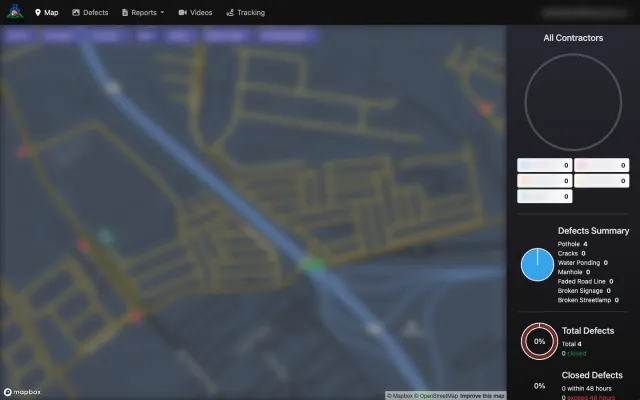
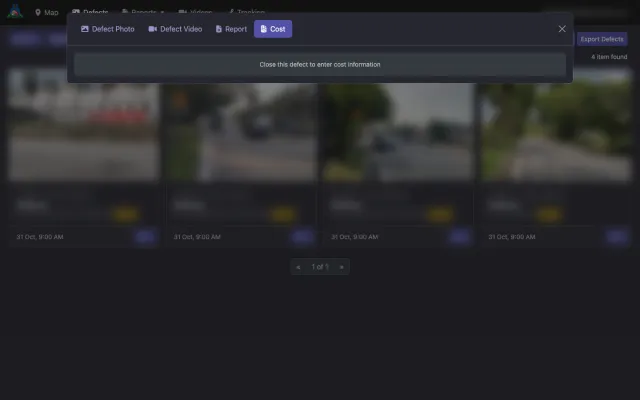
- Map view: defects plotted on a live map, filtered by date, zone, area, type and status, with a contractor breakdown and a defects summary.
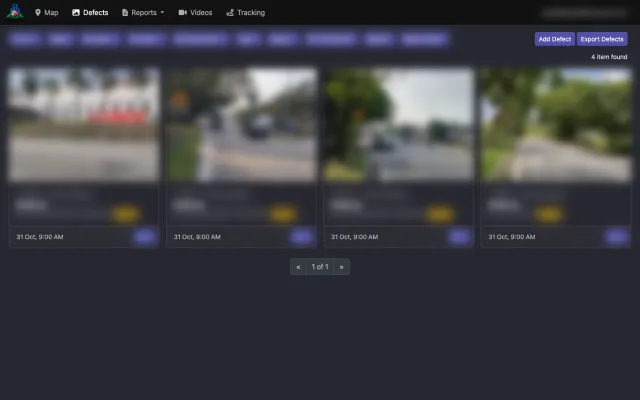
- Defect list: each pothole as a card with its photo, location and time, filterable by contractor and timeframe.
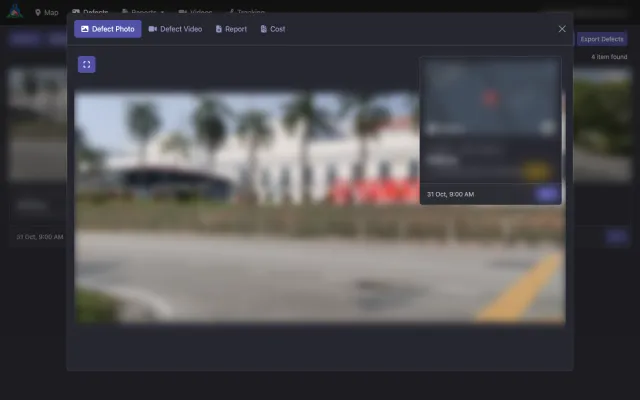
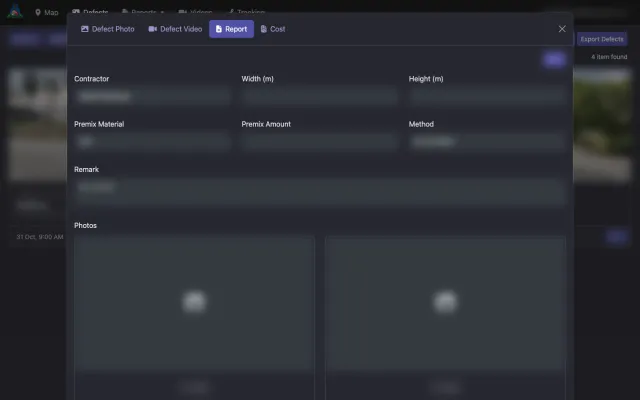
- Defect detail: the captured photo beside a mini-map pin, then a repair report (contractor, dimensions, premix material, method, remarks, photos) and a cost tab that opens once the defect is closed.
- Closure tracking: defects are counted as closed within 48 hours or past 48 hours.
How it works
- AI flags the defect and an officer verifies it.
- The SOR module matches the defect to cost items and calculates quantities, materials, machinery and labour.
- After approval the contractor is notified automatically, then updates status, actual quantity and proof of completion.
Impact
Estimate preparation per defect dropped from 30 to 120 minutes to under a minute.
Notes
- Closed-source and in live government use, so every screenshot and video here has photos, locations, reference numbers, contractor names and the signed-in account blurred.
- Platform coverage has grown from 4 detection modules in 2024 to 10 in 2025, including guardrails.